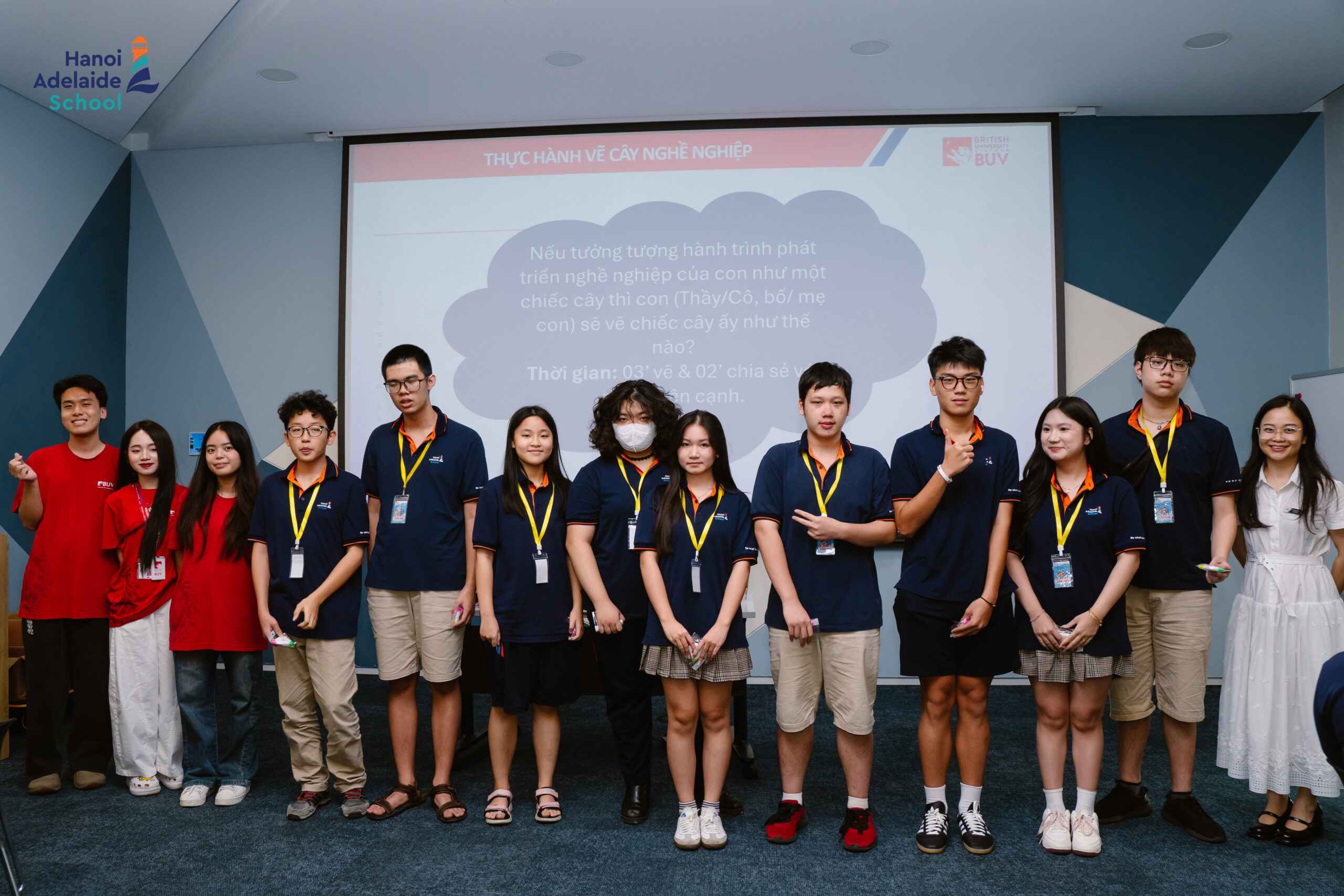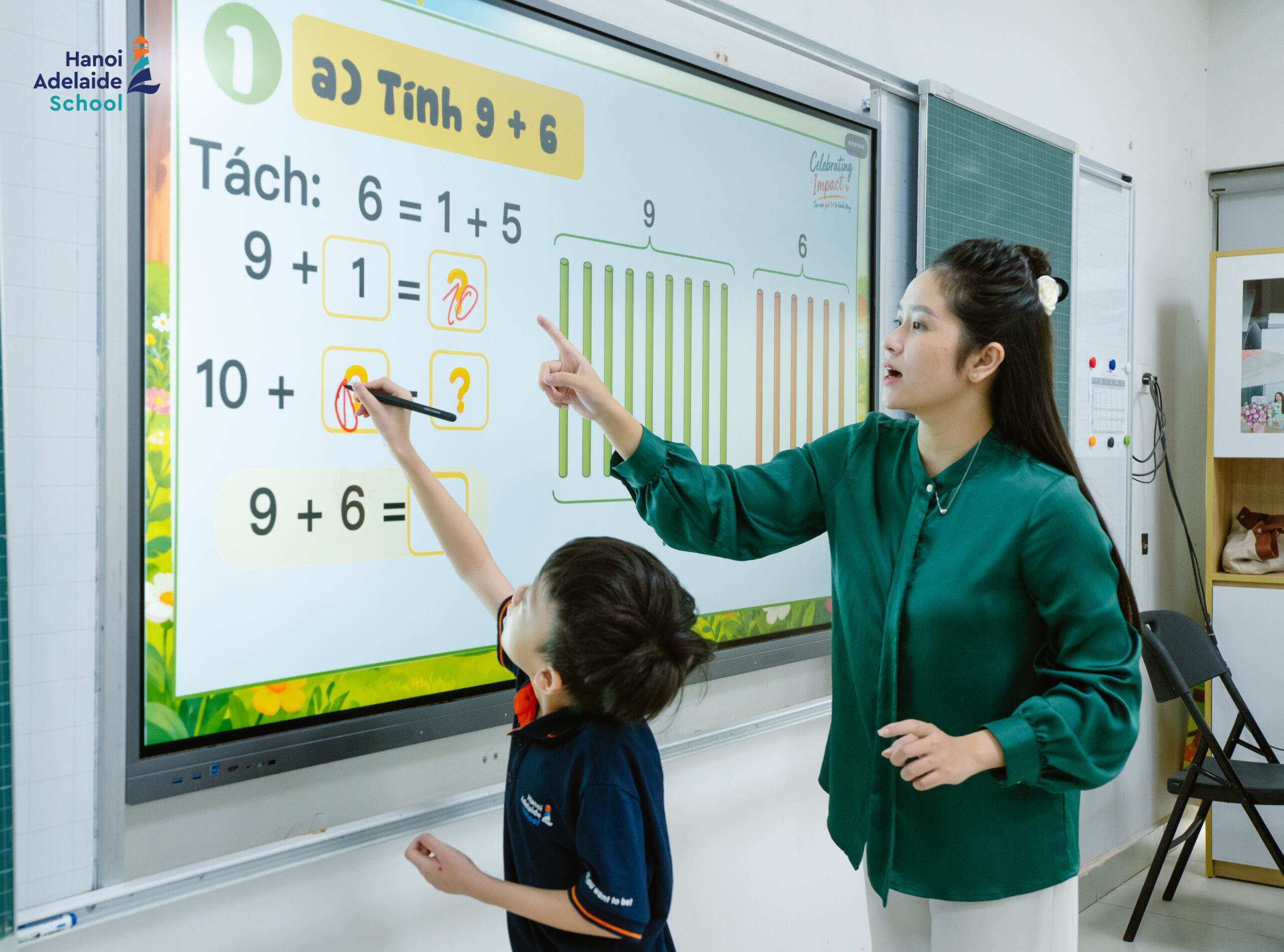


In the digital age, the Internet has become a familiar part of students’ lives and studies. However, uncontrolled use of electronic devices or excessive exposure to low-quality online content can overload and tire the brain. With the desire to help students understand and build healthy Internet usage habits, the workshop “How to Use the Internet for a Healthy Brain” provided practical knowledge and engaging activities.

At the workshop, HASians learned about the concept of “Brain Rot” – a condition of cognitive decline and mental exhaustion caused by excessive exposure to low-quality online content, especially on social media. From the sharing and information provided by teachers and students, HASians collectively identified common signs of “brain fatigue,” such as a “foggy brain” feeling when thinking, restlessness, difficulty concentrating, and physical symptoms like headaches, eye strain, drowsiness, or prolonged fatigue.

Through the “Good – Harmful to the Brain” action classification game, students directly participated in evaluating situations involving internet use in daily life. Each good action was represented by a “cabbage leaf,” while inappropriate actions were visually and vividly “peeled away,” helping students better understand habits that need changing.


The workshop also introduced a model of four shields protecting brain health, helping students build a balanced lifestyle:
- The Sleep Shield: getting enough sleep allows the brain to recover and regenerate energy.
- Physical Shield: Actively participate in sports and physical activity to enhance mental health.
- Screen Shield: Limit screen time (no more than 180 minutes/day), prioritize useful content, and take breaks after every 30 minutes of screen time.
- Connection Shield: Increase conversations and playtime with family and friends to cultivate positive emotions.


The workshop “Using the Internet for a Healthy Brain” not only provides knowledge but also helps students develop a correct understanding of internet usage. This fosters healthy habits, teaches them to listen to their bodies, and takes care of their mental health daily. This is also a crucial step for HASians to become intelligent, proactive, and balanced digital citizens in the modern world.
Hanoi Adelaide School
Pioneering Competency-Based Education in Vietnam