

In debate, opponents aren’t always the biggest challenge. What’s more memorable is the journey behind it: hours of practice, refining each argument, and the growth after each round. For Quynh Chi, Top 16 School Teen 2026 is not just a result, but a milestone in her persistent journey to conquer the national debate arena.
Overwhelming Joy from a Small Belief
“From the casting round, I felt our team had a chance to advance.”
That was the belief Quynh Chi held throughout her preparation. However, when she received the notification that the Debate H.A.S team was directly selected for the Top 16 live filming without having to go through the Call-Back round, the whole group couldn’t hide their surprise.
That moment was a well-deserved reward for days of diligent preparation, but it also opened a new chapter with greater pressure. Because entering Teen School, each round is a competition between outstanding debate teams from across the country.

The biggest challenge wasn’t on the stage.
Many people think the most difficult thing for a debate team is facing strong opponents. But for Quynh Chi, the biggest challenge appeared very early – right during the preparation for the casting round.
The three members had three different perspectives. When working on the topic and developing arguments, differences in thinking often led the team to deadlock. However, instead of avoiding debates, the members chose to sit down together, listen, and defend their viewpoints with arguments. This process helped the team find common ground and also helped each person mature in teamwork. That’s a lesson Quynh Chi considers more valuable than the result of a match.
Behind the debates lies a foundation built in the classroom.
In the H.A.S Debate team, Quynh Chi takes on the role of third speaker – responsible for summarizing the entire debate, comparing the two viewpoints, and demonstrating why her team deserves to win.
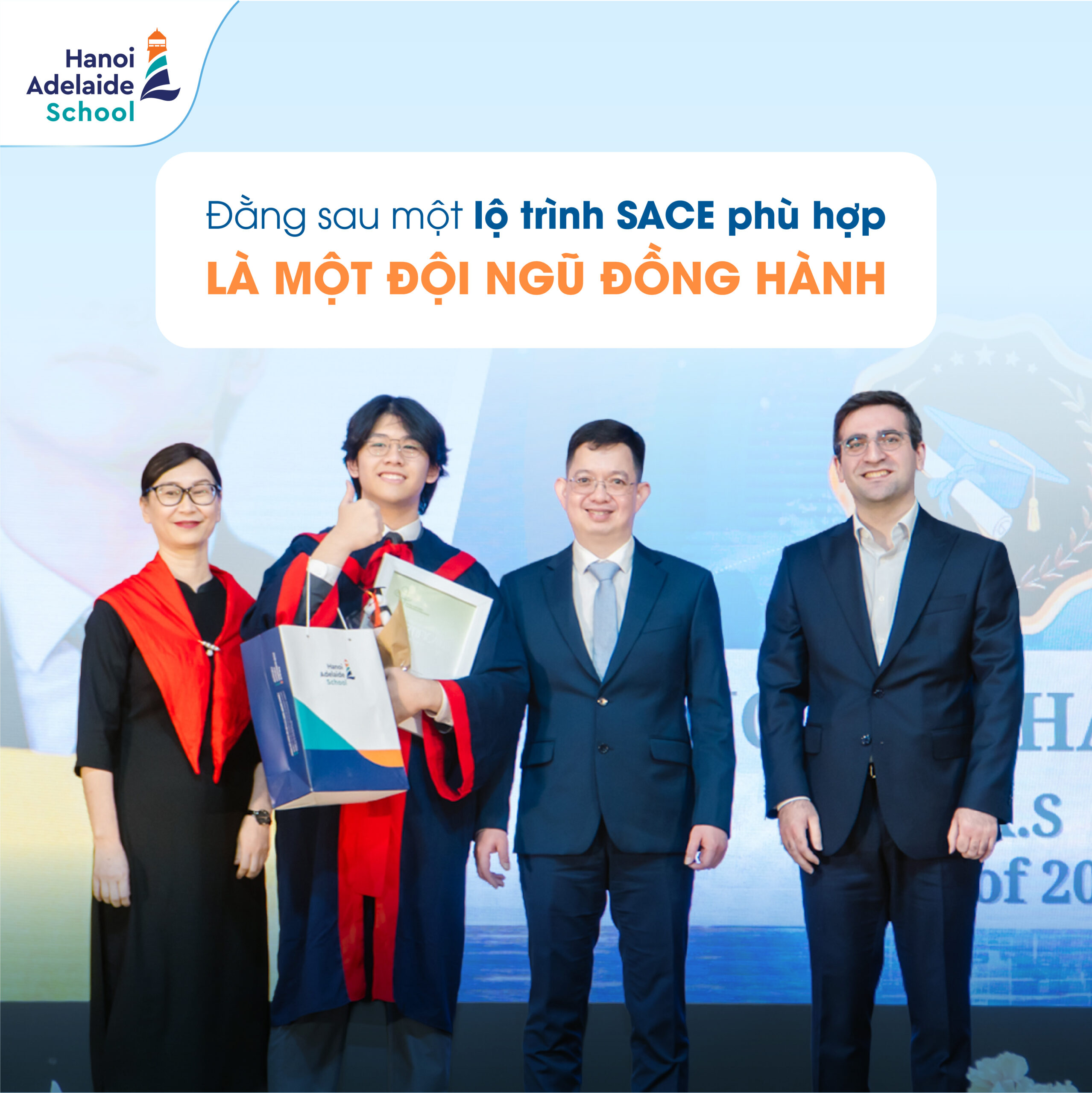
This role demands strong analytical skills, logical thinking, and quick critical thinking. According to Quynh Chi, these skills were not only developed during debate practice but also nurtured daily through the SACE Dual Degree program at H.A.S.
In particular, the Economics course provides students with the opportunity to access real-world economic situations, analyze case studies from multiple perspectives, and consider the impact of each decision. Instead of simply finding the right answer, students are encouraged to ask questions, debate, and defend their viewpoints with arguments and evidence. This learning approach helped Quynh Chi develop multi-dimensional thinking – a crucial foundation for confidently entering a national-level debate competition.
A Journey Accompanied by Unwavering Faith and Support
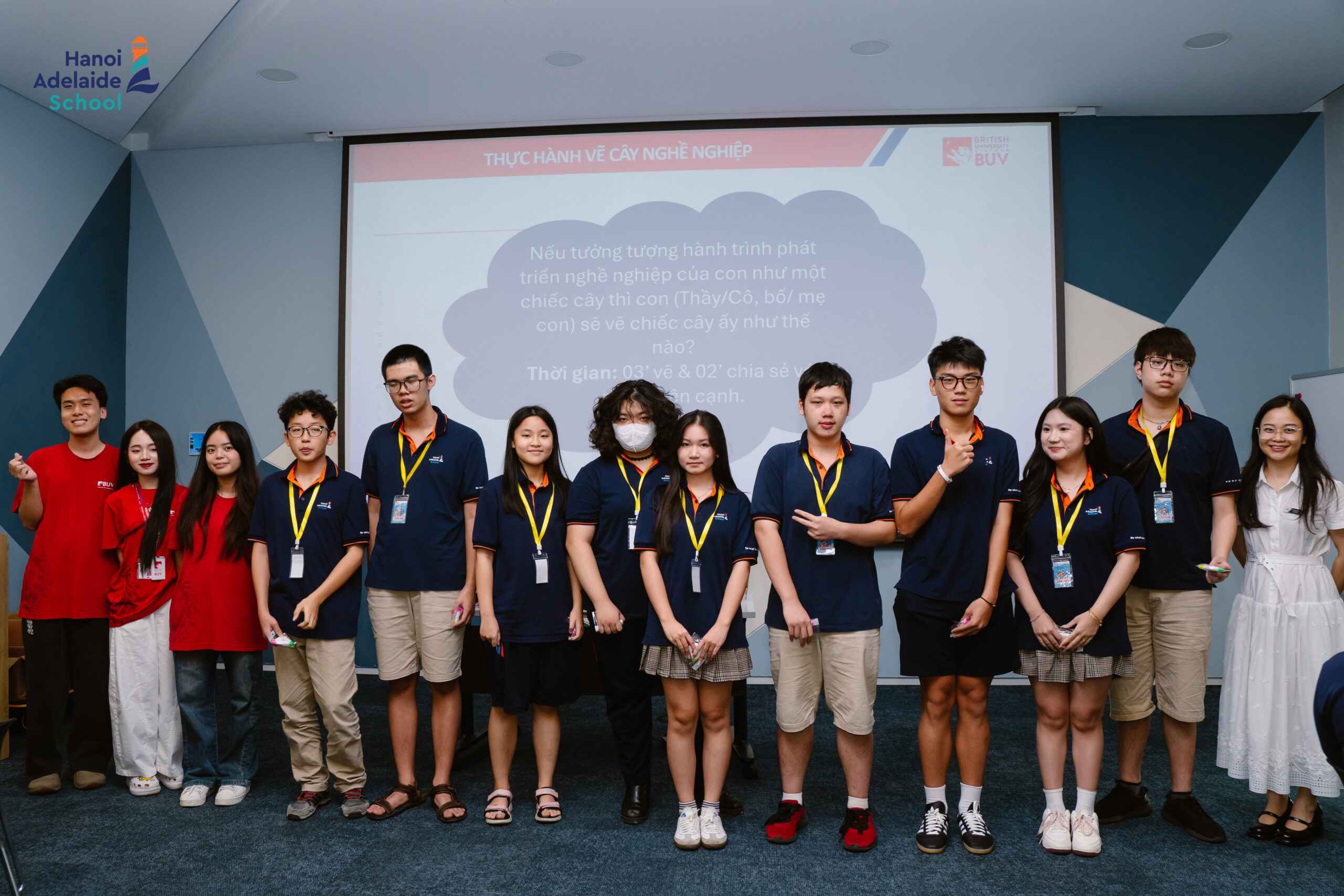
To confidently step onto the Teen School stage, the members of the H.A.S Debate team had the unwavering support of their teachers.
From intensive training sessions, feedback on each speech, preparing uniforms, to providing time and space for practice, the teachers were always by the team’s side throughout the preparation process.
After all the intense rounds of the competition, what Quynh Chi remembers most is not the arguments presented or the rebuttals on stage.
It’s the nights the whole team stayed up late perfecting their speeches. It’s the sheets of paper filled with hastily written ideas before boarding the bus to the studio. It’s the times the whole group sat down together to resolve disagreements, and after each conversation, they understood and trusted each other more.
For Quynh Chi, Teen School didn’t just teach them how to debate. More importantly, the competition taught them how to listen, connect, and support each other.
If there’s one message for aspiring H.A.S. students to give, Quynh Chi wouldn’t advise them to try to win at all costs. “Go and enjoy the fun. When you’re at Teen School, you won’t remember much about the arguments you wrote, nor will you remember much about the counterarguments you made. What you’ll remember most are the happy memories with your friends.”
——
At H.A.S., Debate is not just a club for competitions, but also an environment for students to develop critical thinking, learn to listen, respect different perspectives, and collaborate effectively with teammates.
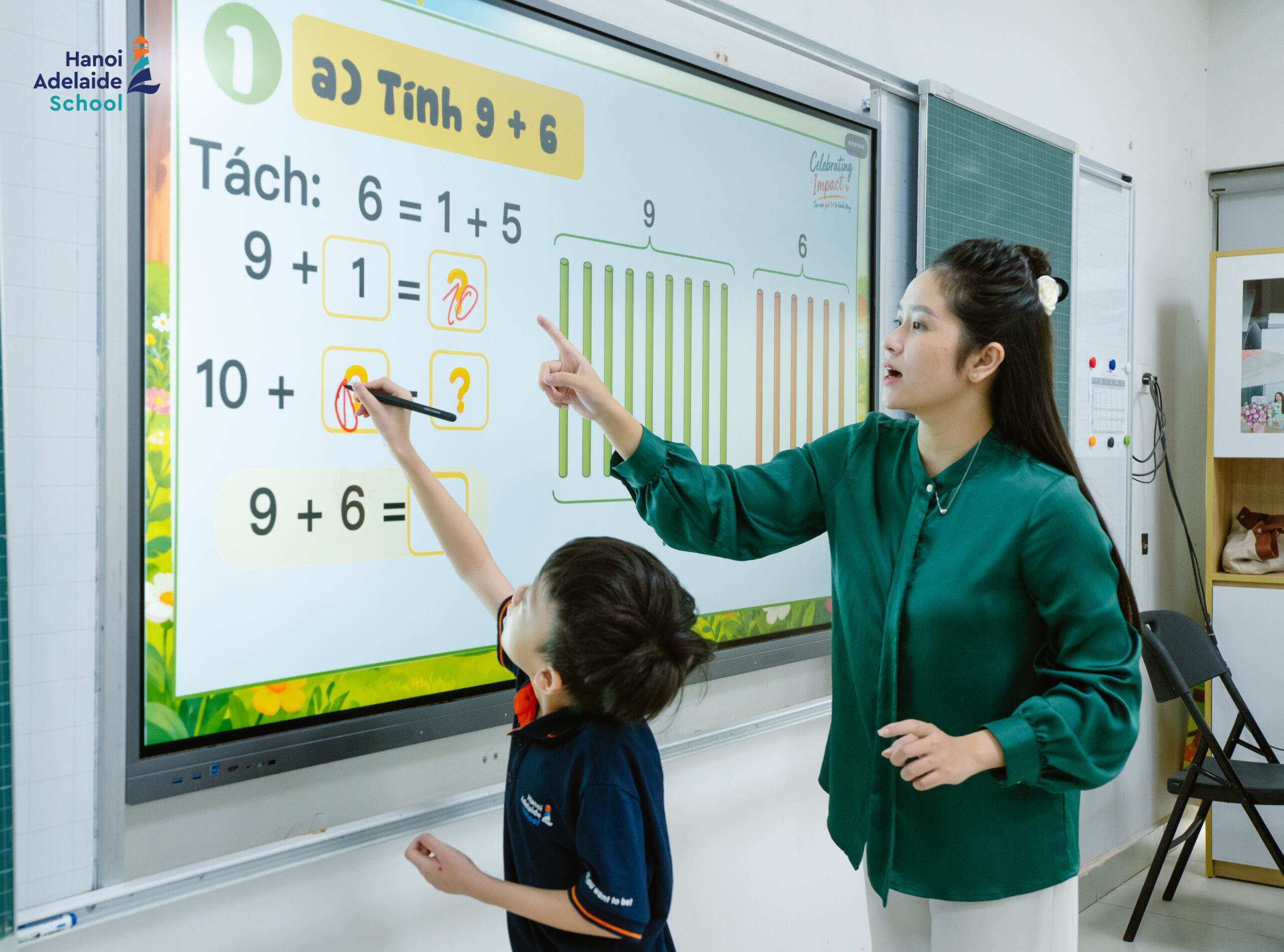
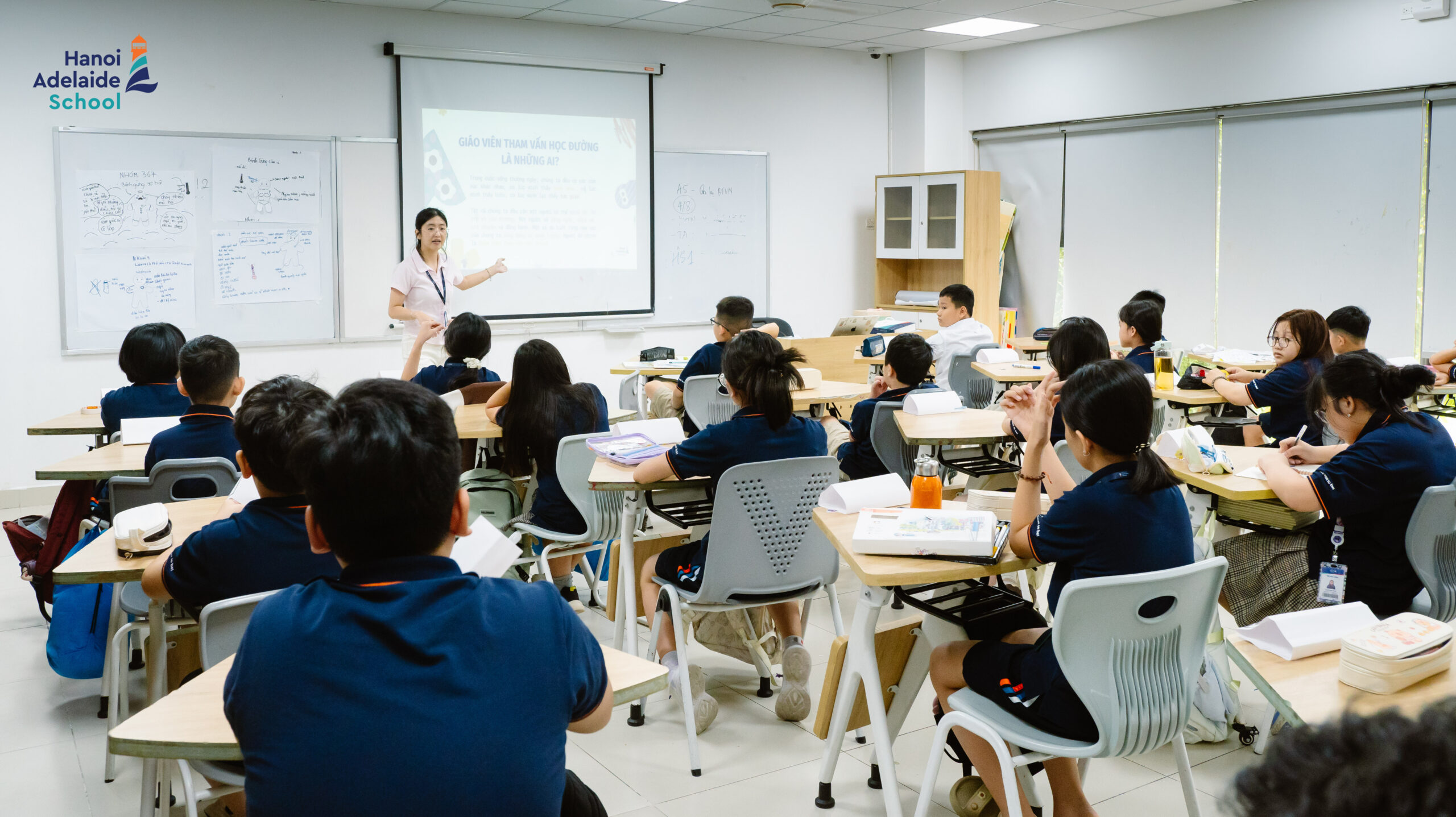
Hanoi Adelaide School emphasizes integrating the development of 21st-century skills through both its core curriculum and extracurricular club system. In classes, especially those taught in English, students not only improve their language skills but are also encouraged to ask questions, build arguments, analyze problems from multiple perspectives, and confidently express their opinions.
Simultaneously, academic clubs and extracurricular activities provide opportunities for students to apply their knowledge to practice, test themselves in new environments, gain experience, and grow through each experience.
From these opportunities, H.A.S hopes that each HASian will not only confidently step onto the stage for debates or academic competitions, but also develop independent thinking, resilience in the face of challenges, a spirit of cooperation, and adaptability – essential skills to prepare for future learning and integration.
Hanoi Adelaide School
Pioneering Competency-Based Education in Vietnam
Pioneering Competency-Based Education in Vietnam