

“Teacher, I have a different way!” This is a familiar phrase during Math lessons for the students of class 2HS1—a moment when a simple calculation opens the door to a multitude of fascinating ways of thinking.
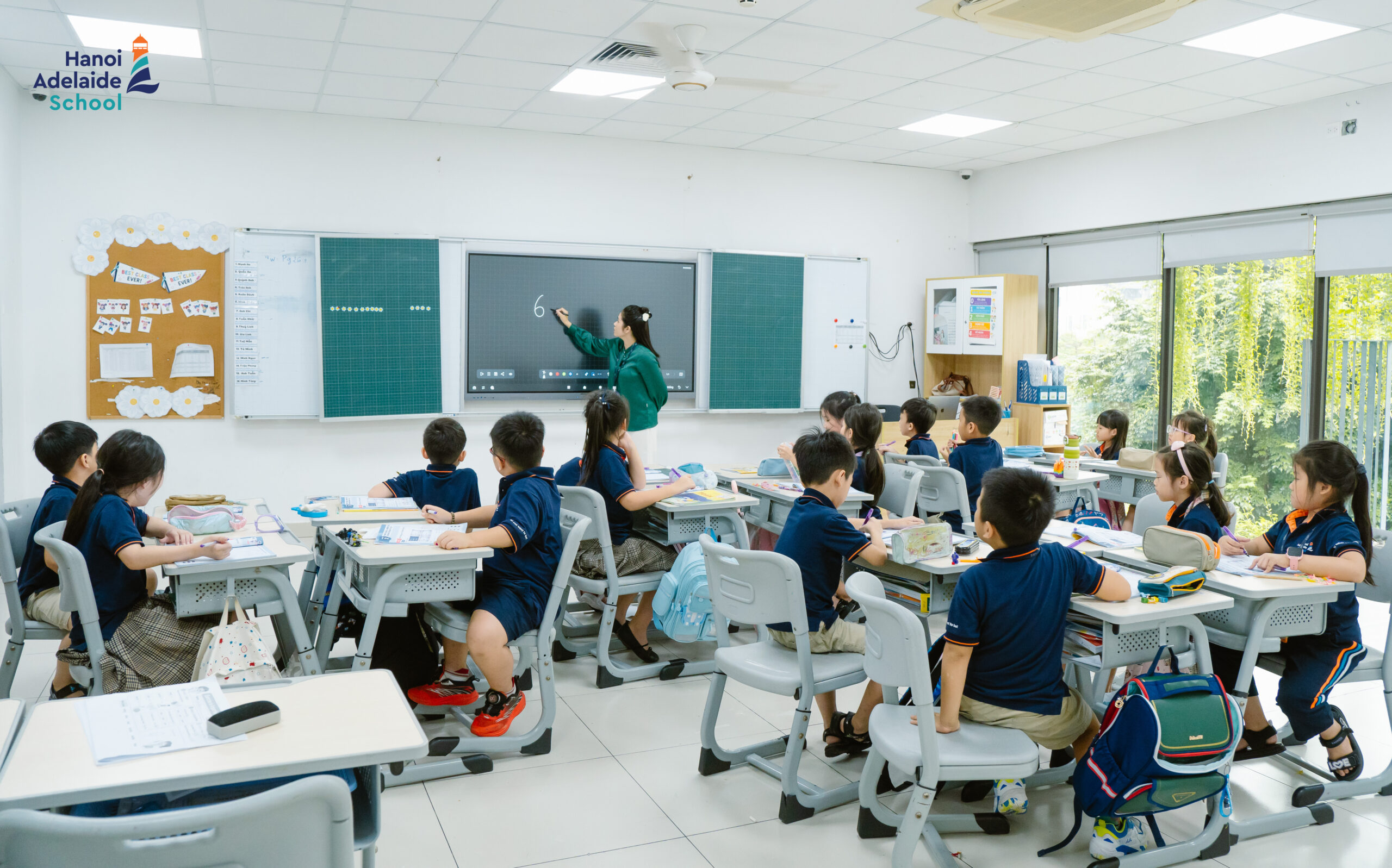
During the lesson on addition (crossing 10) within the range of 20, the 2HS1 students did not simply perform calculations in the standard way. Starting with the numbers, they observed and practiced splitting and combining them to find a way to reach a sum of 10, then determined the remaining amount to complete the calculation.
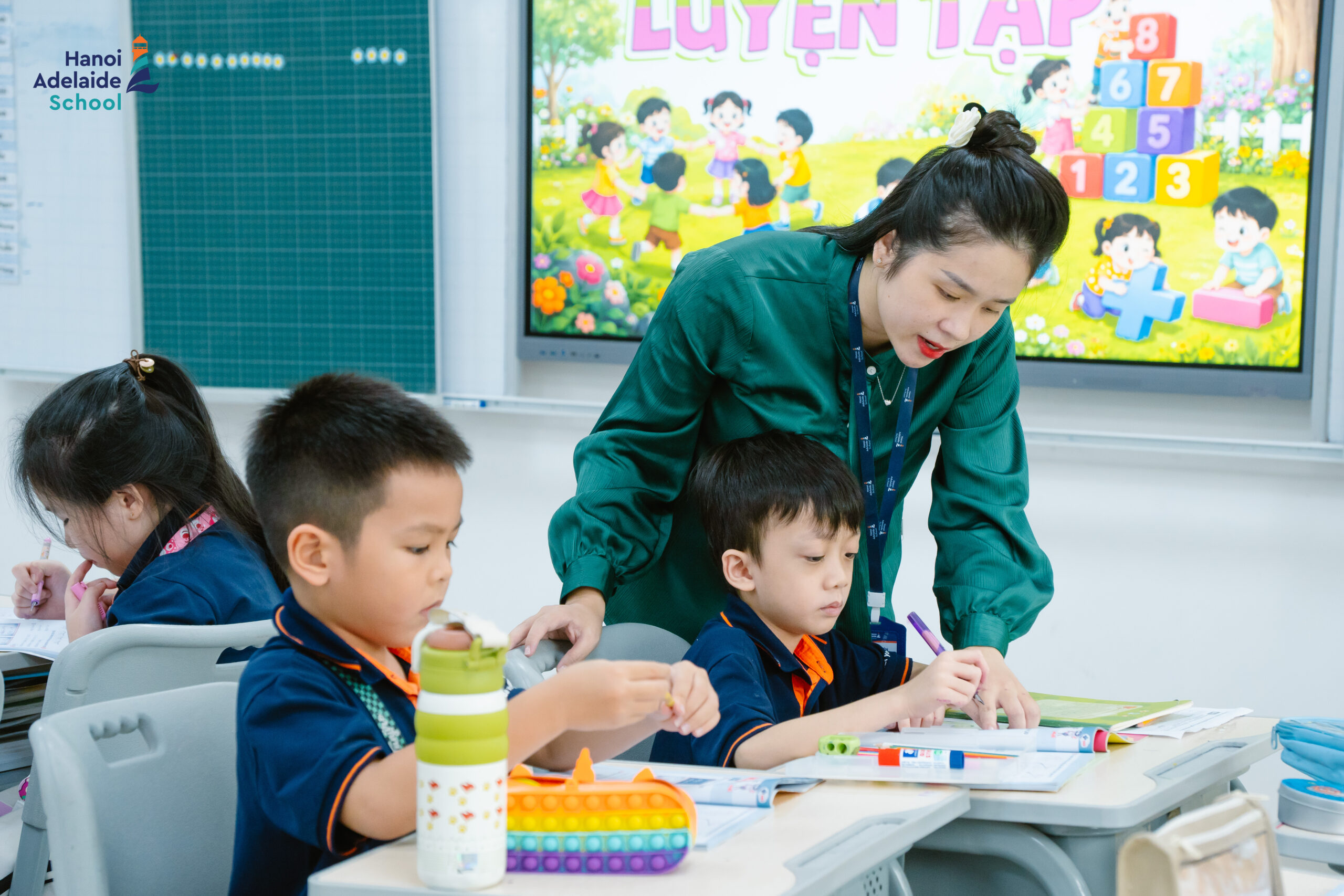
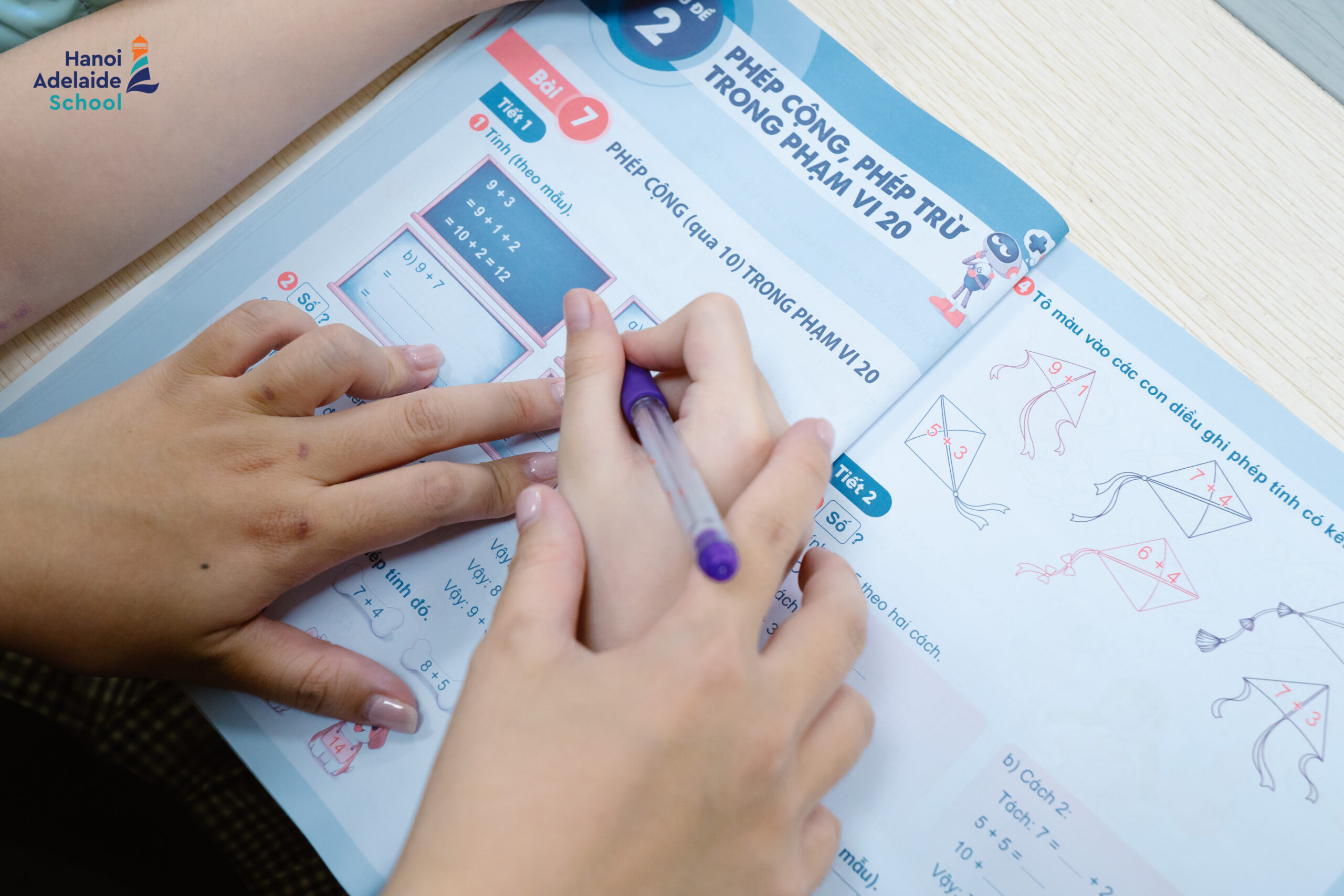
When Ms. Linh posed the question to the class, “How do we solve 8 + 5? Let’s think about it and share our answers,” the students responded enthusiastically. Some quickly found a method by splitting the number 5 to “make 10” first. Others tried different approaches. Some eagerly raised their hands to explain: “Here is how I did it!” Just like that, one calculation gained a solution method, then another, and the whole class discovered new ways of thinking together.
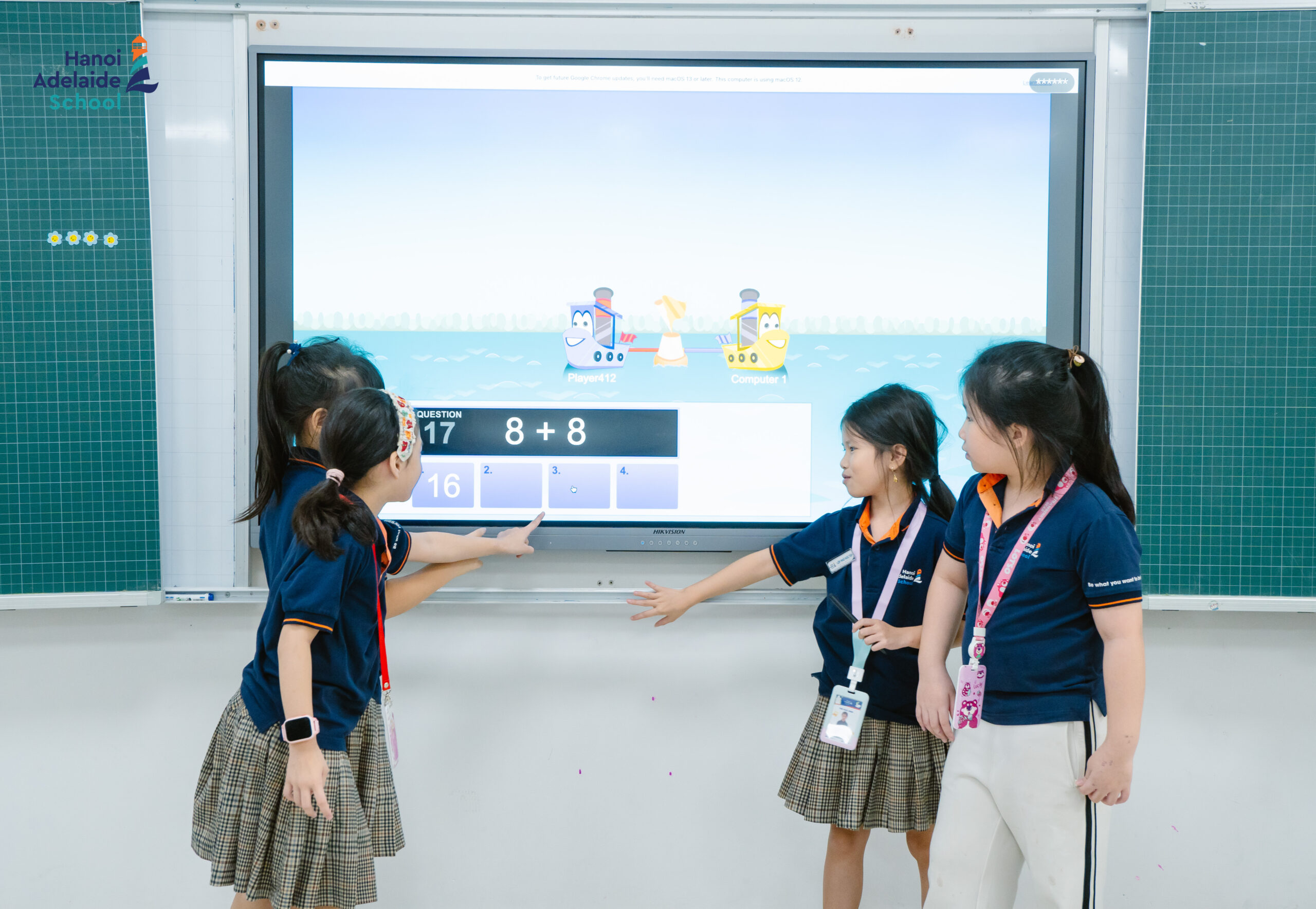
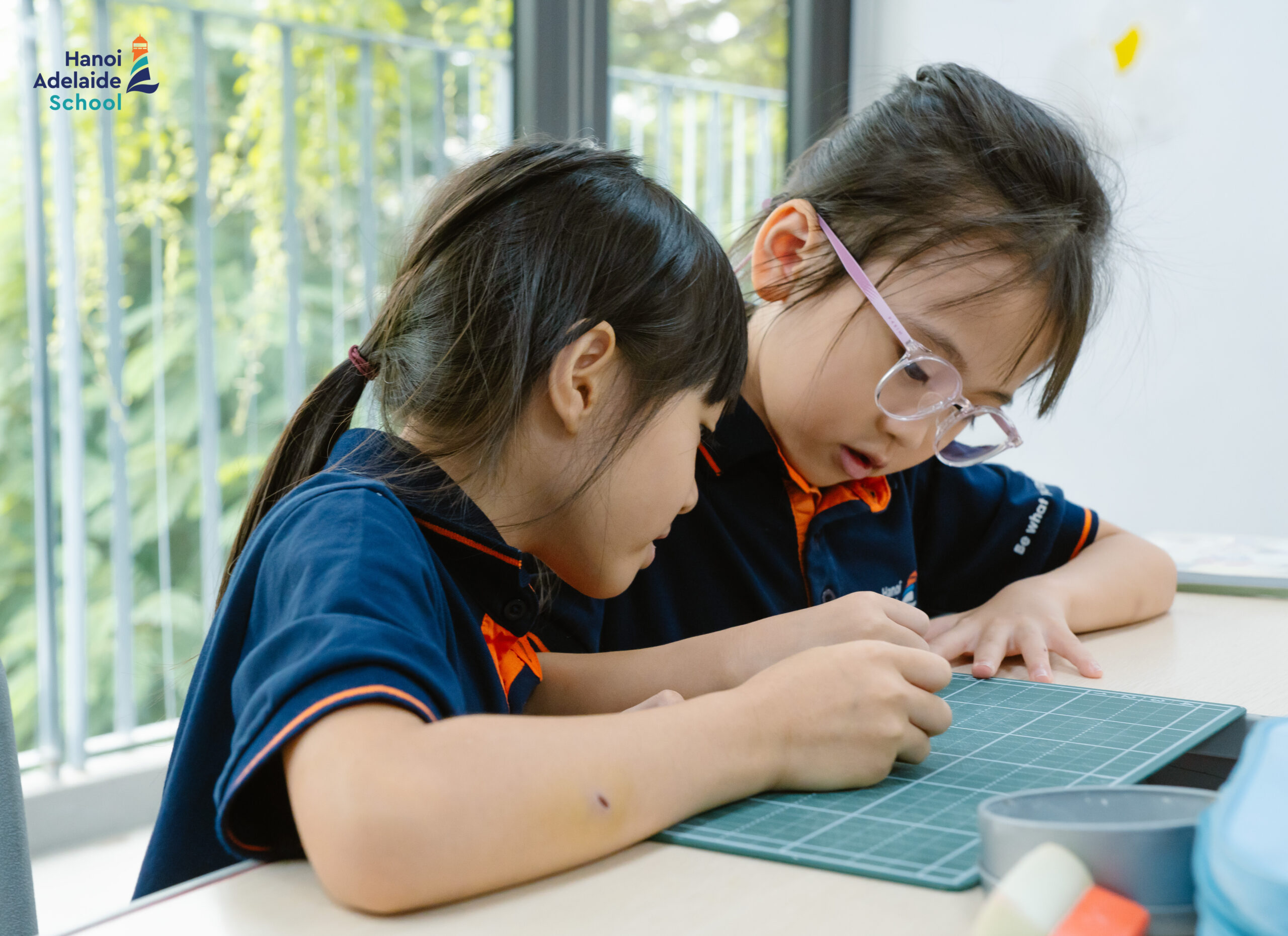
In the classroom, it is not just about the correct answers, but also the many paths taken to reach them. Students are encouraged to experiment, share, and listen to their classmates’ methods, realizing: “Oh, so it can be done this way too!”
Ms. Thao Linh, the Math teacher, shared: “I am delighted to see attentive eyes, confidently raised hands, and those moments when the children excitedly say, ‘I have a different way!’ To me, the most valuable aspect of every Math lesson is not just that the children get the right answers, but that they increasingly learn how to think, explain, listen, and feel confident in their own learning process.”
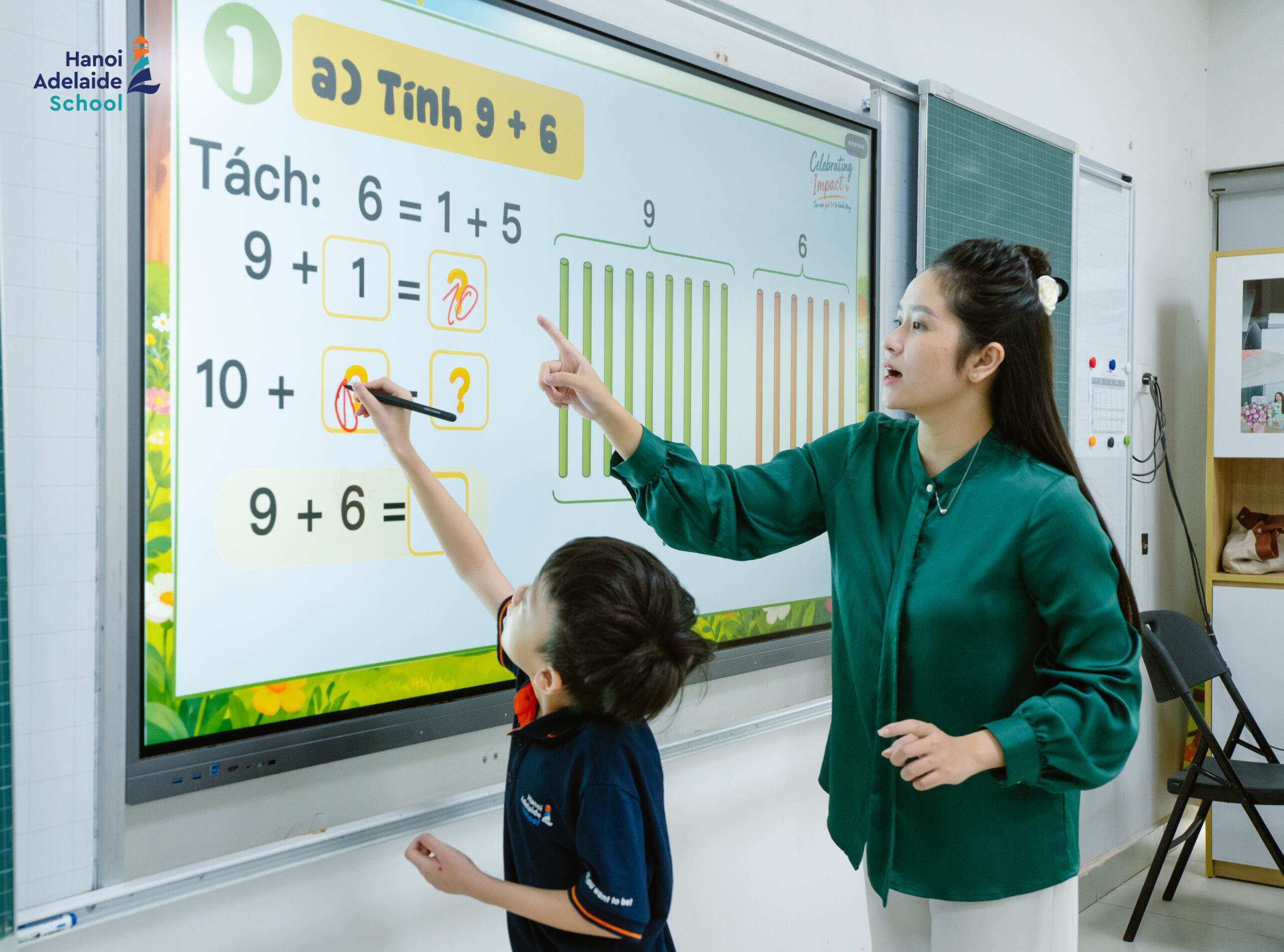
A simple addition, a fresh perspective—and after the lesson, what sticks with you isn’t just the answer “13,” but the realization: “How did I come up with that?” This is how active learners are shaped: through small questions, moments of trying things out, and the confidence to articulate their own way of thinking.
Hanoi Adelaide School
Pioneering Competency-Based Education in Vietnam