

Selecting SACE subjects involves more than just picking the ones a student excels at. A suitable choice must align with the student’s abilities, interests, university goals, and specific course entry requirements, while remaining flexible enough to adapt should their direction change.
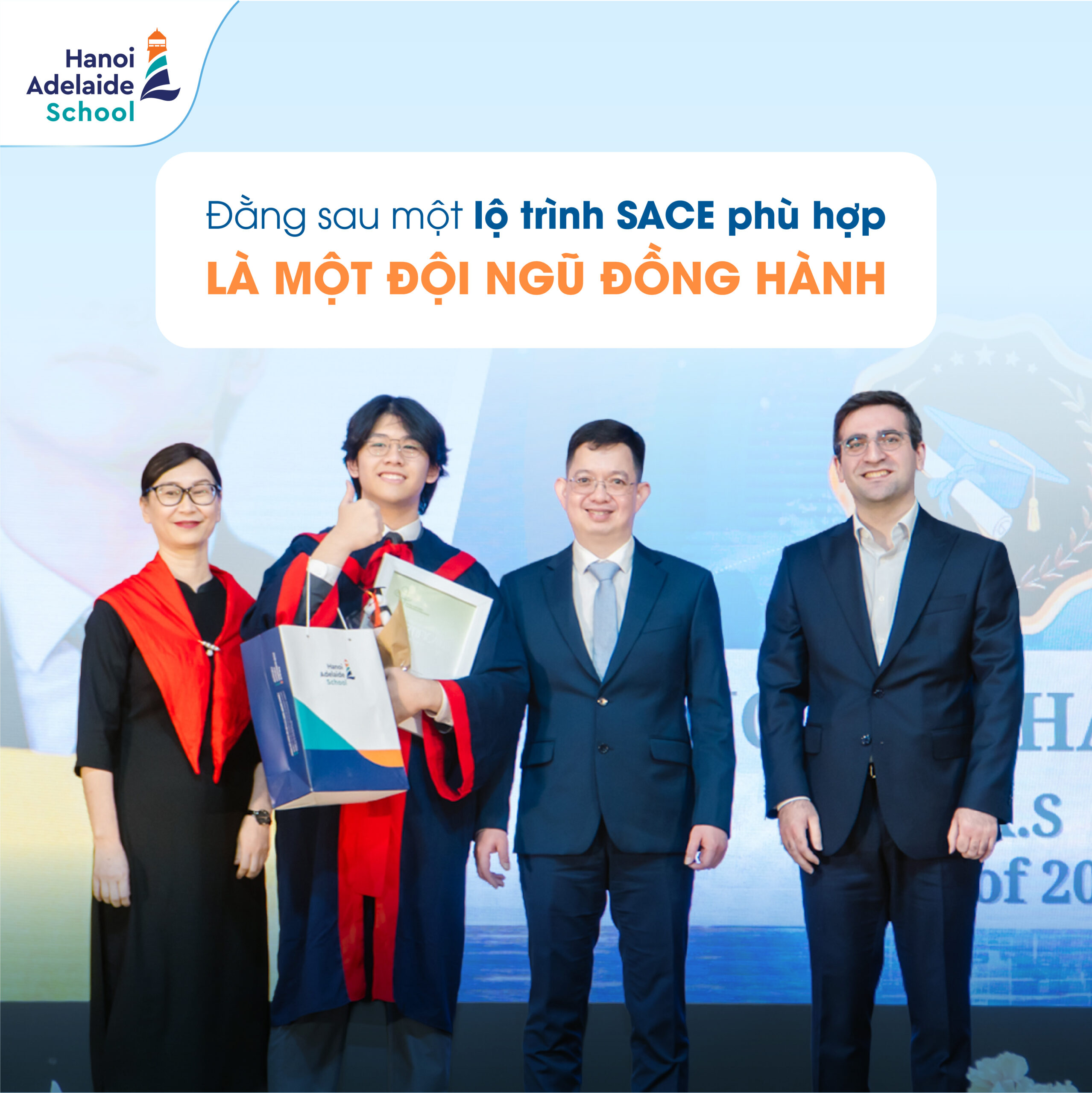
Therefore, a suitable SACE pathway does not begin with the question, “Which subjects should I choose?” but rather, “Where am I now, and where do I want to go?”
The Vietnam-Australia Dual High School Diploma Program opens up new possibilities for life after high school. However, ensuring these choices truly suit each student depends not only on the curriculum itself but also on the guidance and support they receive throughout their studies. At H.A.S., this journey is built step-by-step:
01. DEFINING GOALS: WHERE DO YOU WANT TO GO?
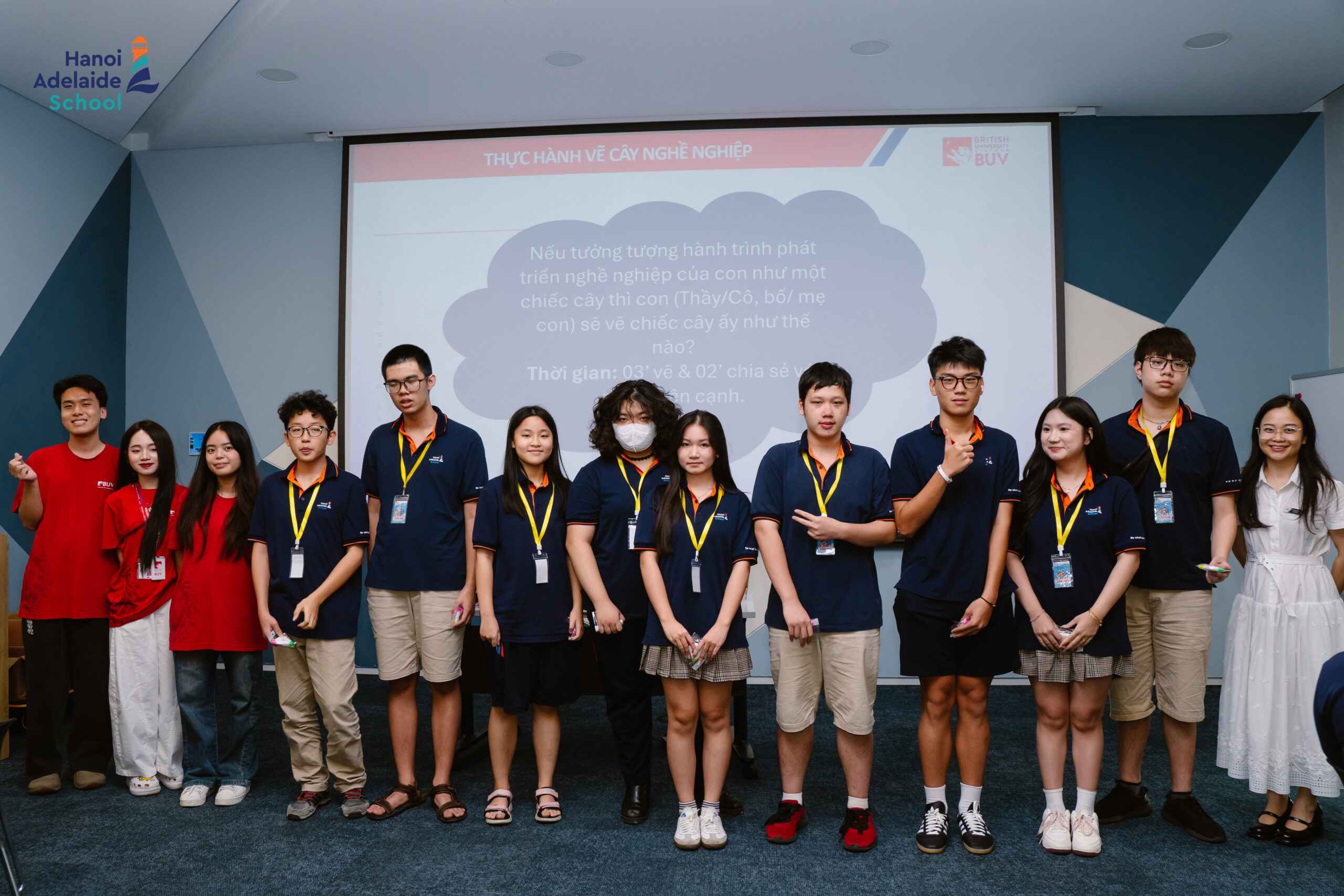
Before selecting subjects, students and parents work with the counseling team to view the big picture. Through a series of workshops and expert consultations, they identify suitable destinations:
- Which fields of study and universities are the student aiming for?
- Do these goals align with the student’s interests, abilities, and strengths?
- What are the projected societal trends for various fields of study, based on reports and surveys from reputable sources?
- What specific subjects, academic results, or entry requirements do the target majors and universities demand?
- What is the family’s projected budget for the student’s education and potential study abroad? This clarity enables families and students to make informed choices—ranging from specific subject selections to the overall educational pathway from high school through university and into future career opportunities.
02. UNSURE WHAT TO STUDY? START BY UNDERSTANDING YOURSELF
Not every student knows early on exactly what they want to study. For those without a clear direction, guidance does not begin with simply “picking a major at random”; instead, it focuses on creating opportunities for students to explore both themselves and the professional world.

At H.A.S., students receive support through:
- University visits and experiential tours;
- Seminars and direct interactions with representatives from international universities;
- Career fairs and career exploration activities;
- Guidance tools such as the Holland Code;
- Development of portfolios tailored to future fields of study;
- One-on-one counseling and the creation of study plans to achieve specific goals.
Through these experiences, students gather the insights needed to answer key questions: What do I enjoy? What are my strengths? Which fields do I want to explore further? This process allows students to gradually shape their direction rather than being forced to make a career decision too early.
03. SELECTING SACE SUBJECTS: CONSIDERING BOTH THE STARTING POINT AND THE DESTINATION
Once an initial direction is established, subject selection is evaluated based on multiple factors: interests, aptitudes, target majors or universities, and admission requirements. This approach ensures students understand the rationale behind their choices, the role each subject plays in their future pathway, and the preparations needed to meet the demands of their chosen field of study. This approach helps students avoid selecting subjects simply because they are currently performing well in them, only to realize later—when researching university options—that they need to meet additional requirements.
04. WHAT SHOULD BE MONITORED DURING THE PROGRAM?
A sound plan requires not only a solid start but also ongoing monitoring during implementation. At two critical junctures—the end of Year 1 of the SACE program (Semester 1 of Grade 11) and the end of the first term of Year 2 (Semester 2 of Grade 11)—students, parents, and the counseling team hold regular meetings to review key milestones, such as:
- Progress toward completing credits and program requirements;
- Academic performance and student progress;
- Subject, grade, or examination requirements for target majors or universities;
- Key milestones in the university application process;
- Any challenges encountered or shifts in the student’s direction.
Consequently, counseling is not limited to the start of the SACE program but evolves into a continuous process of monitoring and dialogue among the student, the family, and the school.

05. PATHWAYS CAN BE ADJUSTED IF GOALS CHANGE
It is entirely possible for high school students to change their intended major or realize that a different path suits them better. In such cases, the counseling team works with the student to review the new goal and compare it against existing subjects and results, thereby identifying what needs to be added, adjusted, or prepared for in advance. An appropriate pathway is not a rigid, one-time plan; rather, it is a roadmap clear enough to provide direction yet flexible enough to adapt to the student’s growth. Students and their families are free to modify the pathway at any time while continuing to receive support from the advisory team.
06. SUPPORT EXTENDS BEYOND SUBJECT SELECTION
As students transition to university, this support continues through performance reviews, alignment with admission requirements, and assistance with applications, scholarships, and procedures related to visas and enrollment. The ultimate goal is not merely to help students complete the SACE program, but to prepare them students can proactively move on to their next step.
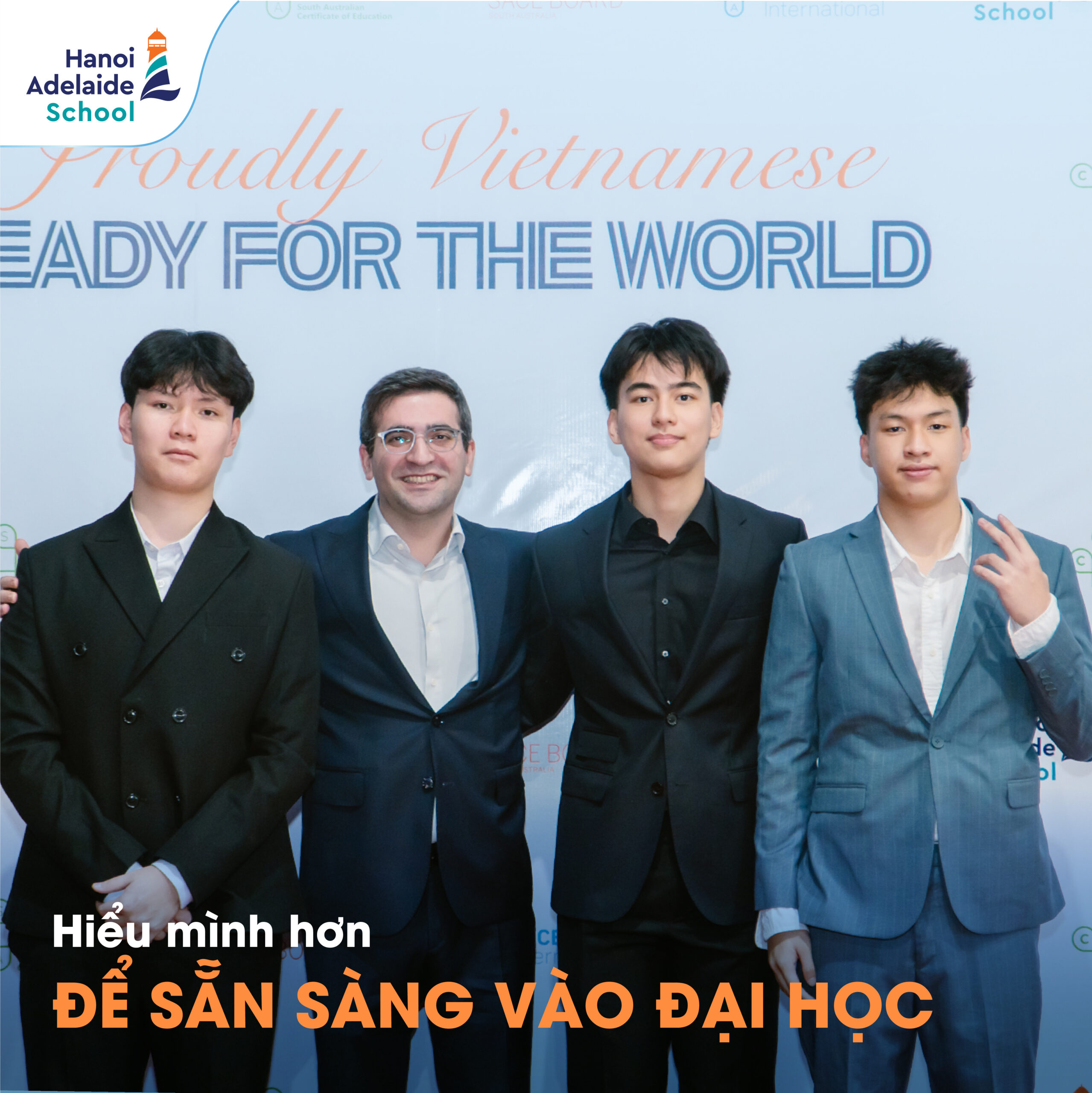
- Reviewing results and cross-referencing them with university and program admission requirements;
- Assisting with the preparation and submission of university applications;
- Providing advice and support regarding scholarship applications and financial aid options;
- Guiding students through visa and enrollment procedures;
- Facilitating connections with alumni communities in Australia and other countries.
Thus, this journey of support aims not merely at “completing the SACE,” but at helping students prepare step-by-step for their next destination.
For the SACE counseling team at Hanoi Adelaide School, every question serves as a starting point to better understand the student and collaboratively build a suitable pathway. The SACE program at H.A.S is a journey shaped by the students themselves, with continuous support throughout their personal growth. Parents are invited to learn more about the SACE program at: https://admissions.has.edu.vn/song-bang
Hanoi Adelaide School
Pioneering Competency-Based Education in Vietnam
Pioneering Competency-Based Education in Vietnam