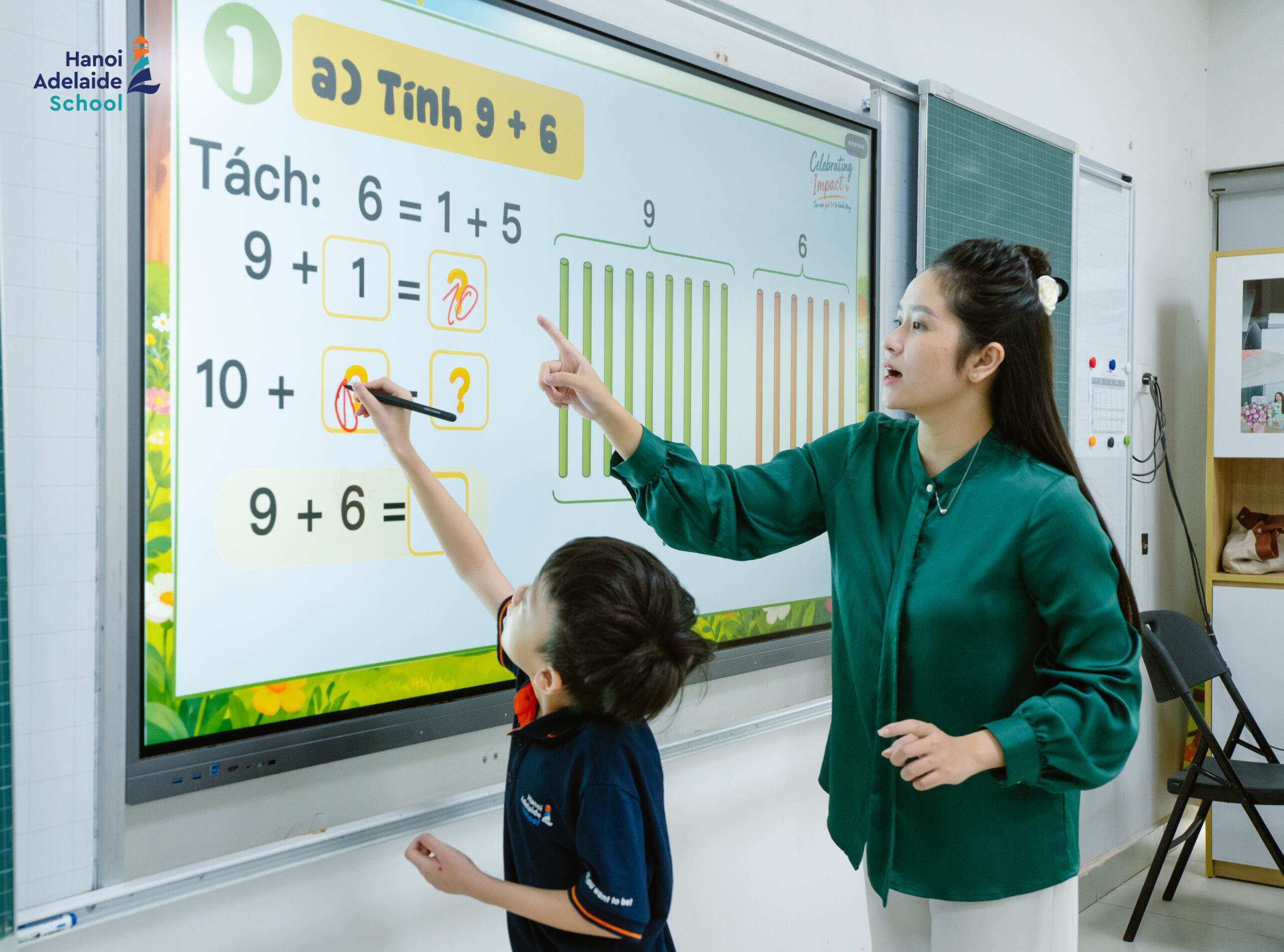


When AI can perform calculations and generate answers in mere seconds, what is the purpose of learning math? The answer lies not in the number of problems a student solves, but in the way they think to arrive at a solution—one they truly understand and for which they can take ownership.

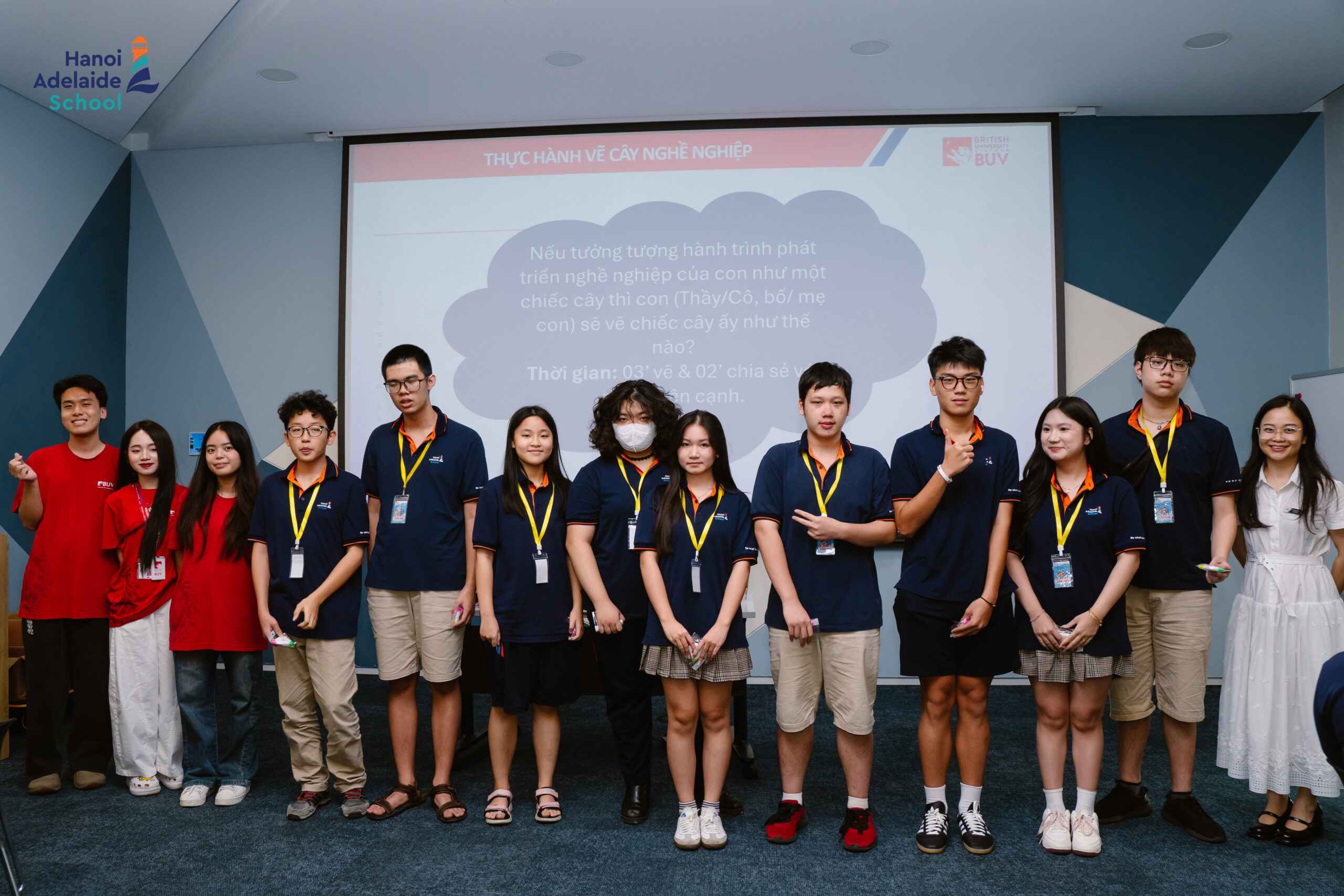
With this perspective, the seminar “Key Considerations for Learning Math”—designed for high school students and led by Dr. Nguyen Phu Hoang Lan, the school’s Academic Director—offers HASians a fresh outlook on math education and empowers them to take a proactive approach to their future journey.

During their studies, students often fall into familiar traps: completing numerous exercises without achieving deep understanding; memorizing solution steps without grasping the underlying concepts; mistaking the act of reading a solution for actually knowing how to solve the problem; focusing solely on the final answer while neglecting presentation and reasoning; and repeating errors without investigating the root causes. In the age of AI, this cycle warrants even deeper reflection.


A solution generated by AI does not equate to the student understanding the material. While AI can assist with research, calculations, or suggesting methods, the learner must still understand the problem at hand, the rationale behind a chosen approach, the validity of the result, and—crucially—be able to explain the solution using their own reasoning.

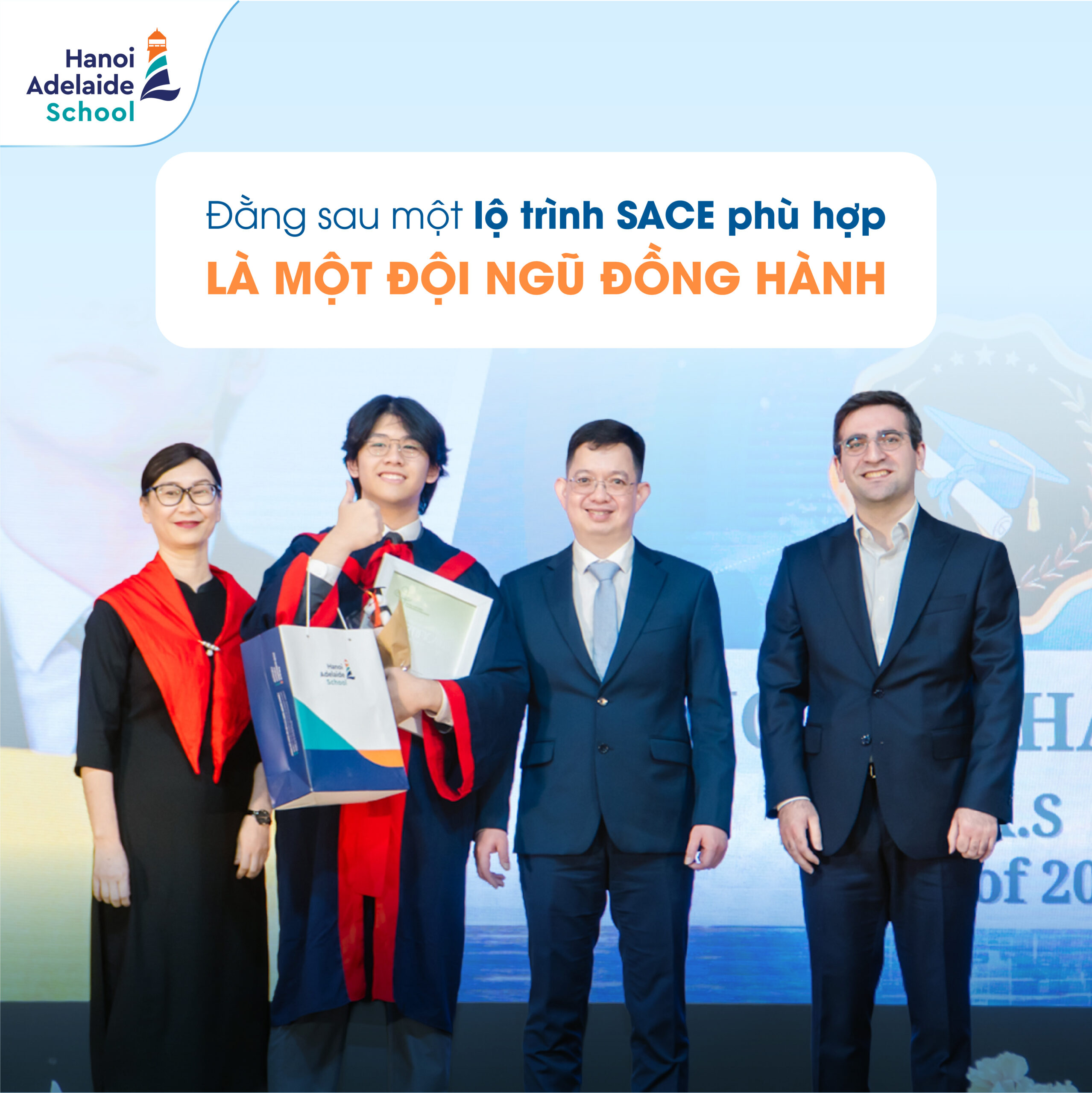
The seminar also expands the conversation from “how to learn math” to a broader question: “What is the ultimate goal of my learning?” Defining a suitable learning path or preparing for exams should not wait until a specific test is just around the corner. For students in the Global track (the dual-diploma program combining the Vietnamese and Australian high school curricula), the school has analyzed and aligned the two mathematics programs to better support students in defining and achieving their goals.

During the session, Mr. Lan emphasized that academic and exam planning should not wait until Grade 12. As early as Grade 10, students need to identify their strengths and areas of uncertainty, understand the required proficiency levels for both the Vietnamese and Australian curricula, and consider how Mathematics will factor into future exams or fields of study. This allows them to determine the right study methods, level of effort, and preparation roadmap early on, rather than delaying until Grade 12. After all, a sound roadmap does not begin with the question “What exam should I take?” but rather with “What are my current strengths, who do I want to become, and what preparations are needed to get there?”
This approach reflects how H.A.S supports “HASians” on their journey to proactively understand themselves, make informed choices, and take ownership of their own educational paths.
Hanoi Adelaide School
Pioneering Competency-Based Education in Vietnam