

At Hanoi Adelaide School, learning does not only take place in the classroom with teachers, but continues through close connections between students. In the Vietnam–Australia High School Dual Diploma Program, senior students take on the role of mentors, accompanying younger students to help them understand lessons the right way, study in the right direction, and gain motivation on their academic journey.
For Ho Song Huong (12S1), becoming a mentor began with very familiar experiences of a student who once felt confused by difficult assignments, unsure where to start, and in need of someone to listen and boost her confidence. Therefore, when given the opportunity to support younger students, Song Huong clearly understood what they needed most: someone who had walked the same path and could share real learning experiences to help them find the right study methods.
When you have a mentor, learning is no longer a journey alone

Many students entering the Dual Diploma Program often face challenges at the beginning: a heavier workload, deeper analytical requirements, and assessments that demand independent thinking. In that context, having a mentor brings a strong sense of reassurance.
According to Song Huong, the first thing mentees gain is timely guidance. Instead of struggling to find ways to approach lessons, students can receive practical advice: how to read materials effectively, how to prepare for assessments, and how to manage time wisely.
“Students often come to me when they do not know where to start. With guidance from someone who has been through the process, they become much more confident and save a lot of time,” Song Huong shared.
Having lessons explained in a friendly and accessible way also helps students quickly untangle learning challenges. Difficult concepts are “translated” into simpler language, allowing students to approach knowledge more comfortably and effectively.
Learning how to translate knowledge into simple language
One of the greatest values mentors bring is helping younger students understand the essence of a problem, rather than simply finding answers.
During mentoring sessions, students learn how to approach tasks, develop ideas, and present them clearly—skills that are especially important in the SACE program.
Through this process, Song Huong realized that the biggest challenge was ensuring others truly understood her explanations. After many mentoring sessions, she developed an essential skill: communication. “I learned how to turn difficult concepts into simpler ones so that others could understand them faster.”
By thinking carefully about how to present ideas clearly and logically, Song Huong also deepened her own understanding. Familiar knowledge was revisited from different perspectives, helping her grasp the core of each topic more firmly. This reflects one of the key values of the Mentor Program: when students can clearly explain knowledge to others, that knowledge truly becomes their own.
Mentoring is not only about learning, but also about connection
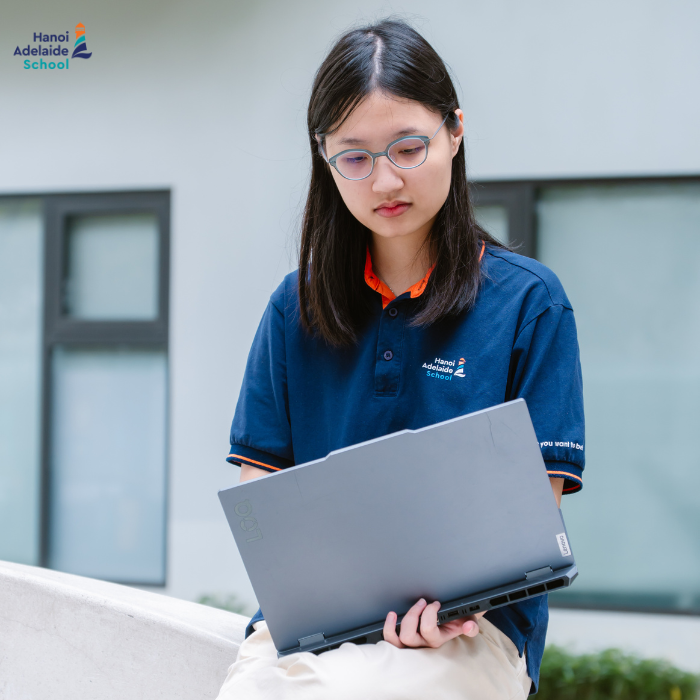
Beyond knowledge, Song Huong noticed clear changes in the learning mindset of mentees. The presence of a mentor creates a significant psychological impact. With a supportive companion, students feel heard, guided at the right time, and no longer feel they must manage everything alone.
Feeling supported helps HASians:
- Reduce academic pressure
- Increase proactiveness and confidence
- Feel like part of the H.A.S community
Song Huong’s story shows that the Mentor Program not only supports individuals but also helps build a learning environment where students lift each other up. Within the Dual Diploma Program—where students regularly complete assessments requiring analysis, presentation, and independent idea development—this naturally creates a need for collaboration and peer support.
The Mentor Program therefore becomes an essential part of the learning ecosystem:
- Students share knowledge and experiences
- Students facing challenges receive timely guidance
- Mentors develop communication, presentation, and leadership skills
Students supporting one another demonstrates a community where progress is not only a personal goal, but a shared effort.
A launchpad from the Vietnam–Australia Dual Diploma Program at H.A.S
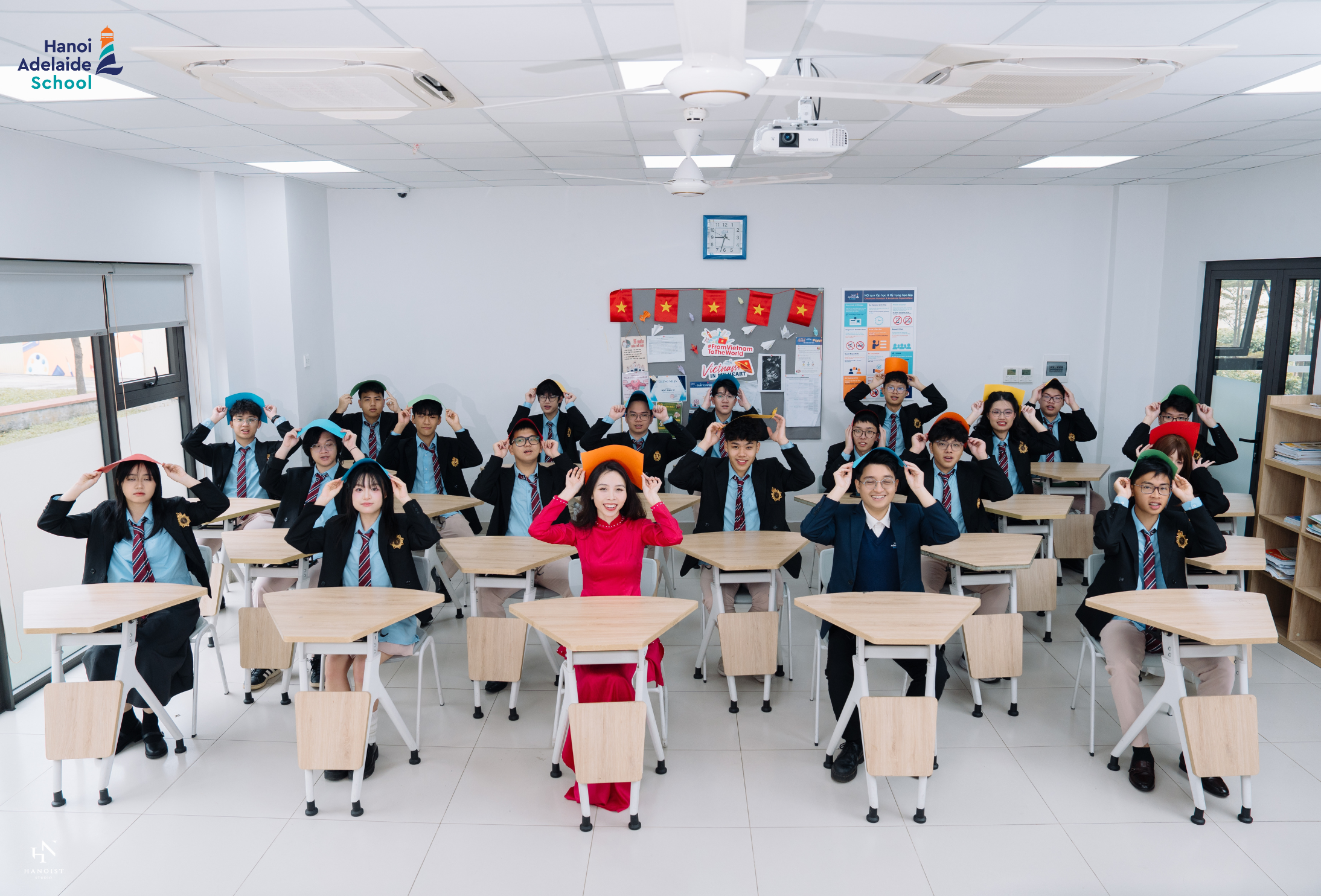
The Mentor Program is one of many elements shaping the distinctive learning environment of the SACE program at Hanoi Adelaide School. The program focuses on developing academic capability, independent thinking, and self-directed learning—key foundations for international university readiness.
In this environment, students are supported by a comprehensive learning ecosystem that includes teachers, peers, and academic support activities such as the Mentor Program.
Song Huong’s story shows that sometimes, what helps students progress faster is not studying more, but having the right support at the right time. With guidance and encouragement from those who have walked the path before them, the journey of conquering SACE becomes clearer, lighter, and more confident.
Hanoi Adelaide School
Pioneering Competency-Based Education in Vietnam