

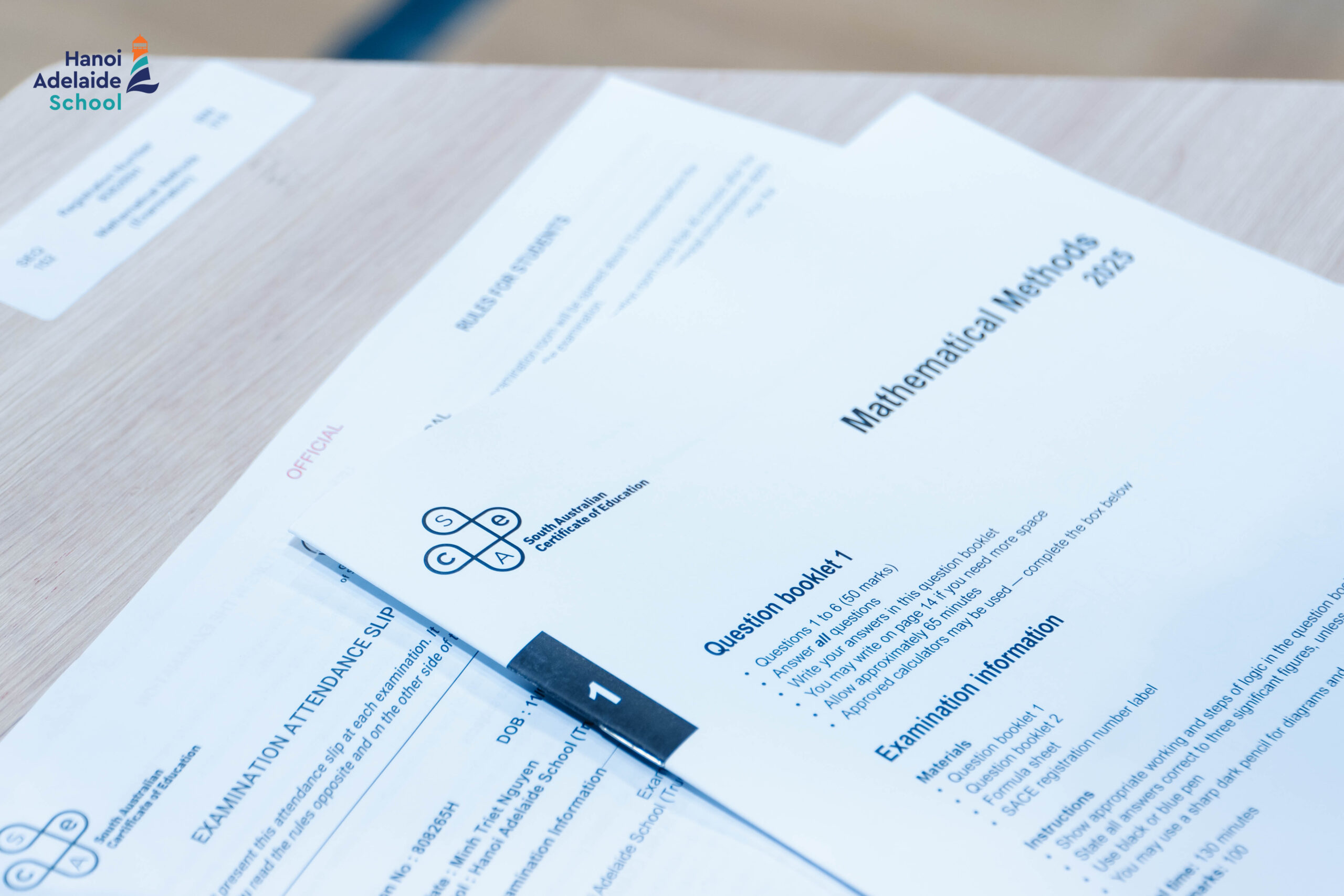
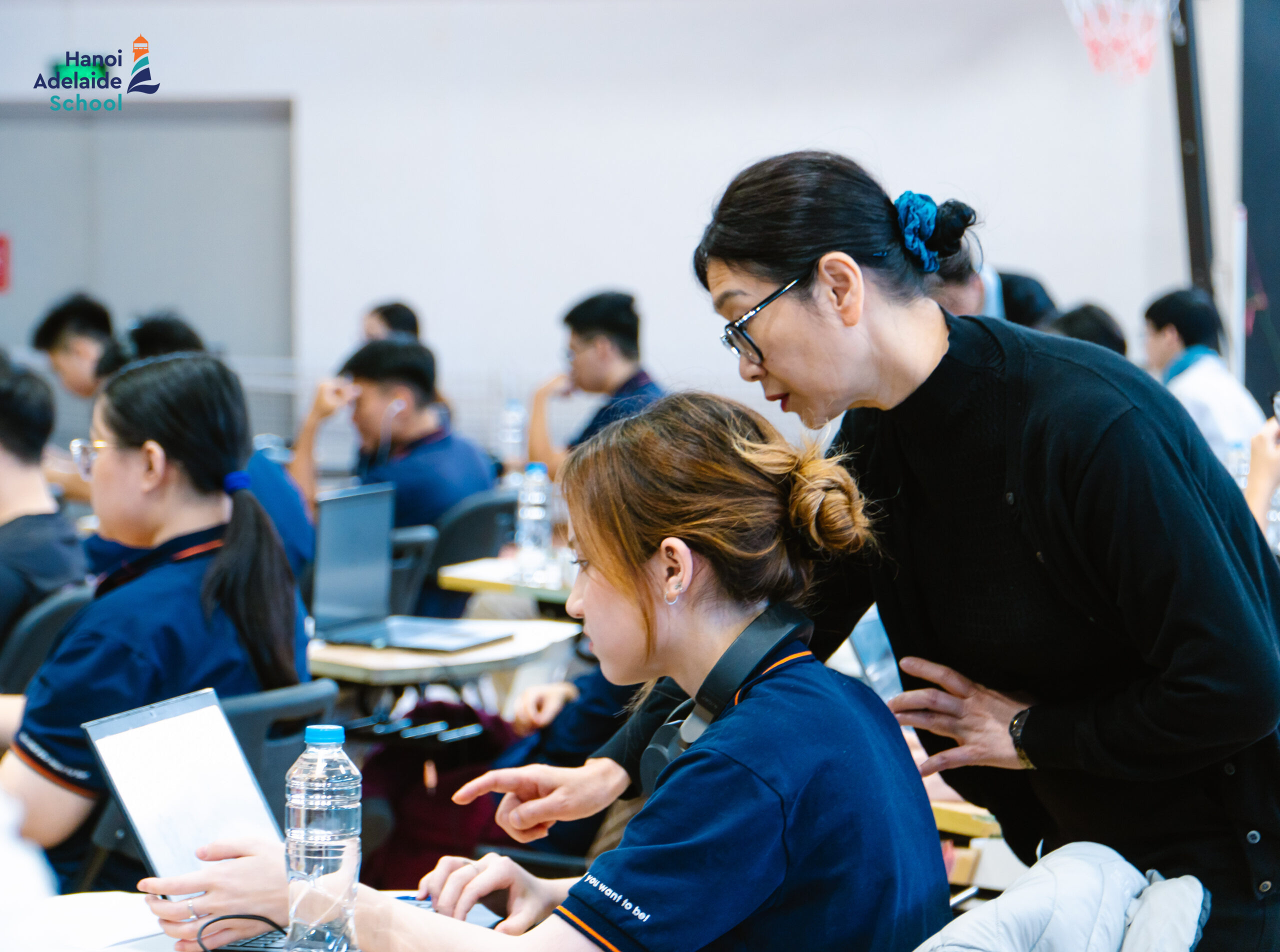
In an academic environment like SACE, where assessments require independent thinking and in-depth analysis, having guidance and companionship makes a significant difference in students’ learning experience.
Students no longer feel that they have to navigate every challenge on their own. When difficulties arise, they can turn to their mentors for clarification, direction, or simply to be heard. This support helps reduce pressure and creates a stronger sense of reassurance throughout the learning journey.
More importantly, this companionship empowers students to become more confident in expressing their own perspectives. Through discussion and constructive debate in a safe environment, they gradually develop clear academic thinking and the ability to communicate ideas effectively—essential skills in any international programme.
Mentor Program – a foundation for holistic development
The Mentor Program goes beyond academic support; it helps students build the right approach to learning through the combined guidance of teachers and student mentors. While peer mentors bring empathy through shared experiences, teachers provide structured direction aligned with academic standards.
As a result, students not only complete assignments but also learn how to interpret questions, analyze requirements, and construct well-organized responses. Over time, they become more proactive and independent in their learning, rather than relying entirely on guidance.
At the same time, regular discussions and feedback help students strengthen their communication skills, critical thinking, and collaboration. More importantly, the Mentor Program creates a connected learning environment—where students are never alone, but always supported by peers, teachers, and mentors—giving them greater confidence in their journey.
When learning becomes a connected journey
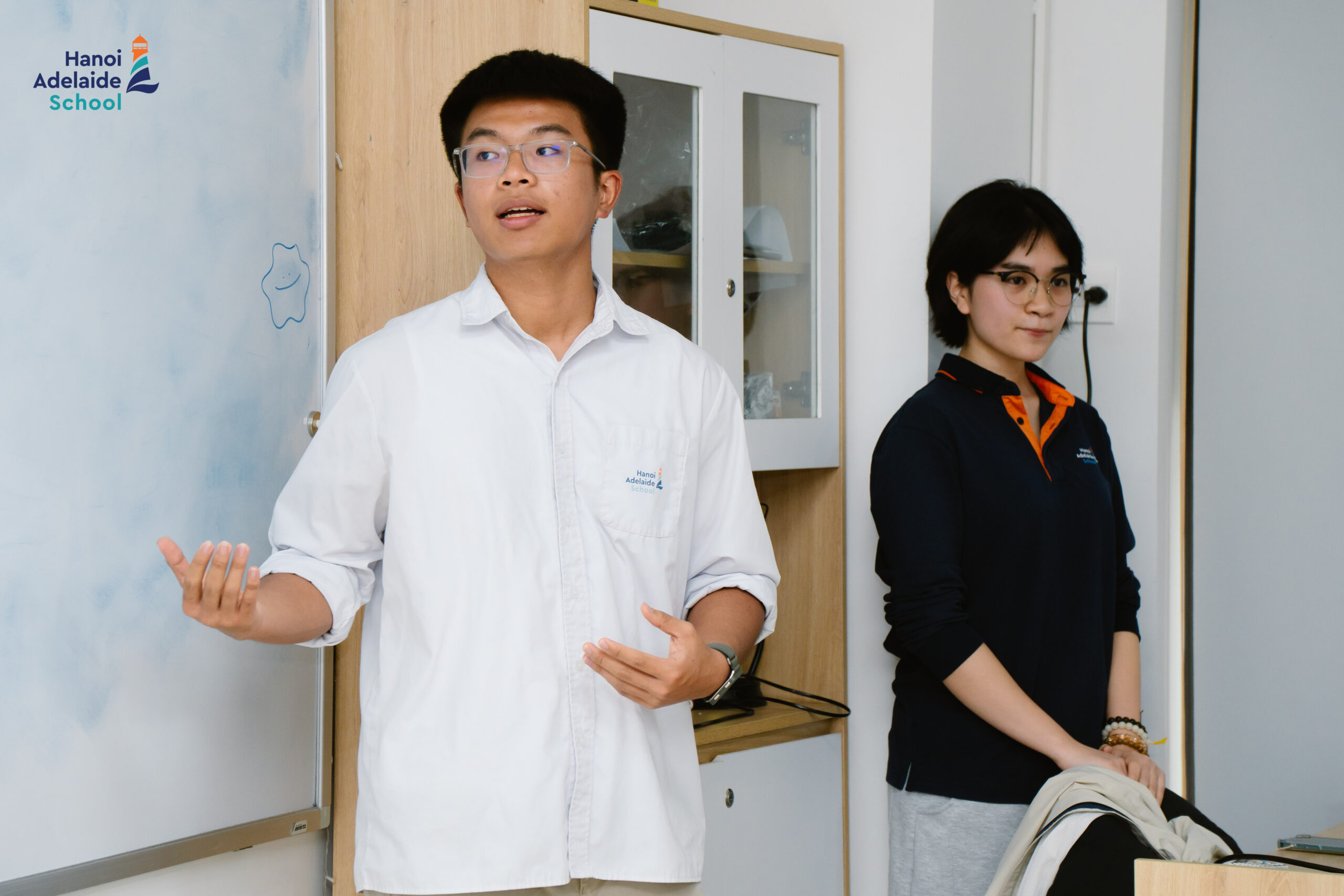
From the way the Mentor Program is implemented, it is clear that what students gain goes far beyond academic results—it lies in a transformation of their learning approach and how they apply knowledge. Instead of relying on old habits, students gradually develop deeper thinking, learn to ask questions, and take initiative in finding their own solutions.
With the right approach, learning is no longer an isolated or reactive process. It becomes a journey with clear direction—where students understand what they are doing, why they are doing it, and what they need to improve in order to progress.
For this reason, the Mentor Program does not only create short-term impact, but also helps students build a sustainable foundation for learning. More importantly, it nurtures confidence in how they learn and prepares them to adapt to higher academic expectations in the future.
Hanoi Adelaide School
Pioneering Competency-Based Education in Vietnam